Pulses & Lentils
All Varieties
01
Chickpea — Desi & Kabuli
HS 0713.20
Madhya Pradesh, Rajasthan, Maharashtra

India's largest pulse crop. Desi chickpea (small, darker) for dal and flour (besan). Kabuli (large, cream-coloured) for hummus and Middle East markets. 20–22% protein. Available whole, split (chana dal), and as flour.
HS 0713.40
02
Red Lentil (Masoor Dal)
Madhya Pradesh, Uttar Pradesh, Bihar

India's fastest-cooking pulse. Exported whole (green skin) or split (red/orange). High demand in UK, Canada, Australia, and Bangladesh. 25% protein. Cooks without soaking in 15 min — popular in health food and convenience segments.
03
Green Moong (Mung Bean)
Rajasthan, Madhya Pradesh, Maharashtra
HS 0713.31
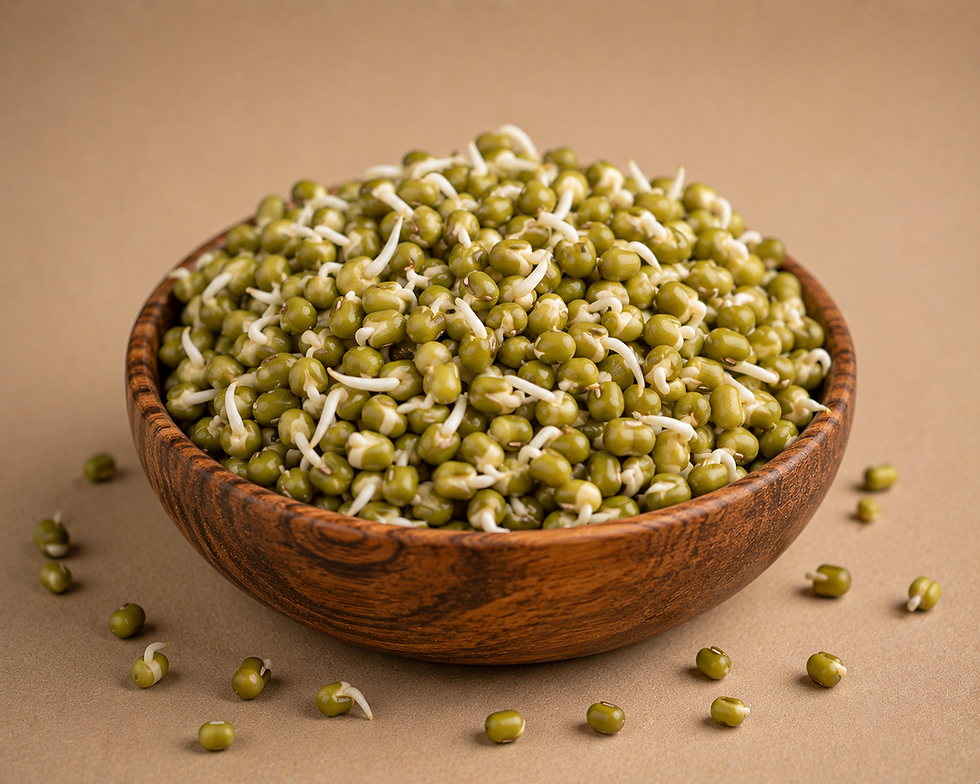
The most versatile Indian pulse — consumed whole, sprouted, split (yellow moong dal), or ground into flour. Highest digestibility of all pulses. Growing export demand for sprouting-grade moong in USA and EU health food markets.
04
Toor Dal (Pigeon Pea)
Maharashtra, Karnataka, Andhra Pradesh
HS 0713.21 / 0713.22

The backbone of South and West Indian cooking — the primary ingredient of sambar. India produces 90%+ of global pigeon pea. Exported split (oily or dry-polished). Strong diaspora demand in UK, USA, South Africa, and East Africa.
HS 0713.31
Urad Dal (Black Gram & White lentil)
05
Andhra Pradesh, Madhya Pradesh, Rajasthan

The backbone of South and West Indian cooking — the primary ingredient of sambar. India produces 90%+ of global pigeon pea. Exported split (oily or dry-polished). Strong diaspora demand in UK, USA, South Africa, and East Africa.
HS 0713.31
Urad Dal (Black Gram & White lentil)
05
Andhra Pradesh, Madhya Pradesh, Rajasthan
HS 0713.33
Kidney Bean (Rajma)
06
Jammu & Kashmir, Himachal Pradesh, Uttarakhand

Large, deep-red kidney beans from the Indian Himalayan belt. Signature ingredient in North Indian rajma curry. Exported in light red, dark red, and speckled varieties. Strong demand in Canada, UK, and South Asian diaspora communities globally.